A thoughtful guide to cashmere accessories
Choosing a Cashmere Wrap as a Meaningful Anniversary Gift
The best anniversary gifts feel personal without asking to be put away for safekeeping. A cashmere wrap can strike that balance: soft and special, yet useful enough to accompany ordinary mornings, cool evenings, and journeys together. The key is choosing one that suits the person who will wear it—not simply the occasion.
Published October 12, 2026
A present that can become part of everyday life
Anniversaries invite a pause. They mark time shared, memories made, and the small habits that make a partnership feel like home. A gift does not have to tell the whole story of a relationship; sometimes it is enough for it to say, “I notice what brings you comfort.” A wrap can do that in a quietly lovely way.
Unlike an object chosen only for display, a wrap is meant to be used. It might be draped over the shoulders on a cool evening, folded into a carry-on for a long trip, or kept near a favorite chair. Each time it comes out, it can recall the anniversary—and the person who chose it—without demanding a grand gesture.
Cashmere brings particular associations of softness, warmth, and refined craftsmanship. But the label alone cannot make a gift meaningful. Weight, dimensions, construction, color, care requirements, and the recipient’s routines all matter. A beautiful wrap that stays in a drawer because it feels too delicate, too warm, or too difficult to style has missed its purpose.
Think first about the person, then the fiber. Does your partner reach for light layers or enveloping blankets? Do they spend time in air-conditioned offices, travel often, or live somewhere with distinct seasons? Have you noticed a favorite color palette or the way they wear scarves? Those everyday clues can make your choice feel far more intimate than a surprise picked solely for its price or prestige.
Start with the recipient’s real-life style
A wrap can be worn in several ways: loosely around the shoulders, folded as a broad scarf, or gathered over a coat. That flexibility is part of its appeal, especially for someone who appreciates practical accessories. Still, a gift should fit the person’s habits rather than an imagined version of them.
Notice what they already wear. If their wardrobe is built around simple neutrals, a wrap in a compatible tone may become an easy favorite. If they enjoy color, a more expressive shade can feel celebratory while still working with clothes they own. Consider whether they prefer clean, minimal lines or visible texture and decorative finishing. The goal is not to match every outfit; it is to choose something that feels at home in their world.
Think, too, about how much styling effort they enjoy. A generous rectangle offers many options, but someone who prefers uncomplicated dressing may be happier with a straightforward shape and a restrained finish. A person who loves accessories might welcome a more distinctive weave, fringe, or color treatment. A thoughtful anniversary gift is not a test of whether the recipient can style it; it makes wearing it feel natural.
If you are unsure, quiet versatility is often a safer path than a dramatic trend. That does not mean choosing something anonymous. A familiar color in an unusually soft fiber, a subtle woven pattern, or a carefully finished edge can give a classic piece its own personality.
What “cashmere” tells you—and what it does not
Cashmere is a fine animal fiber collected from the soft undercoat of cashmere goats. Its reputation comes from the combination of softness, warmth, and relatively low weight. The fiber is not a single guarantee of quality, however. How it is sorted, spun, knitted or woven, finished, and cared for all affect the final fabric.
When comparing options, read the fiber label carefully. A piece described as pure cashmere is different from a blend containing cashmere alongside wool, silk, cotton, or synthetic fibers. Blends are not automatically inferior: they may change the texture, drape, durability, price, or care needs. What matters is knowing what the recipient is receiving and whether the fabric’s qualities suit its intended use.
Fiber descriptions can be useful, but broad claims such as “the softest” or “the finest” are not a substitute for clear specifications. Look for stated fiber content and construction details, and be cautious about assuming that a high price by itself proves superior material or responsible production. If sourcing and animal welfare matter to the person you are gifting, seek specific, verifiable information rather than relying on vague sustainability language.
Touch is personal, too. Some people love the tender feel of very soft cashmere; others are sensitive to even slight prickle or prefer a smoother, firmer surface. If shopping in person, let the recipient’s known preferences guide you. If buying online, read the description closely, check the return policy, and avoid making promises about feel that the seller’s information does not support.
Weight, weave, and the way a wrap falls
For a wrap, weight is not a minor technical detail. It shapes when and how the piece will be used. A light, airy fabric can suit indoor layering, mild weather, and travel. A denser construction may feel more comforting outdoors or in colder conditions. Neither is universally better; the right choice depends on the climate and the wearer’s tolerance for warmth.
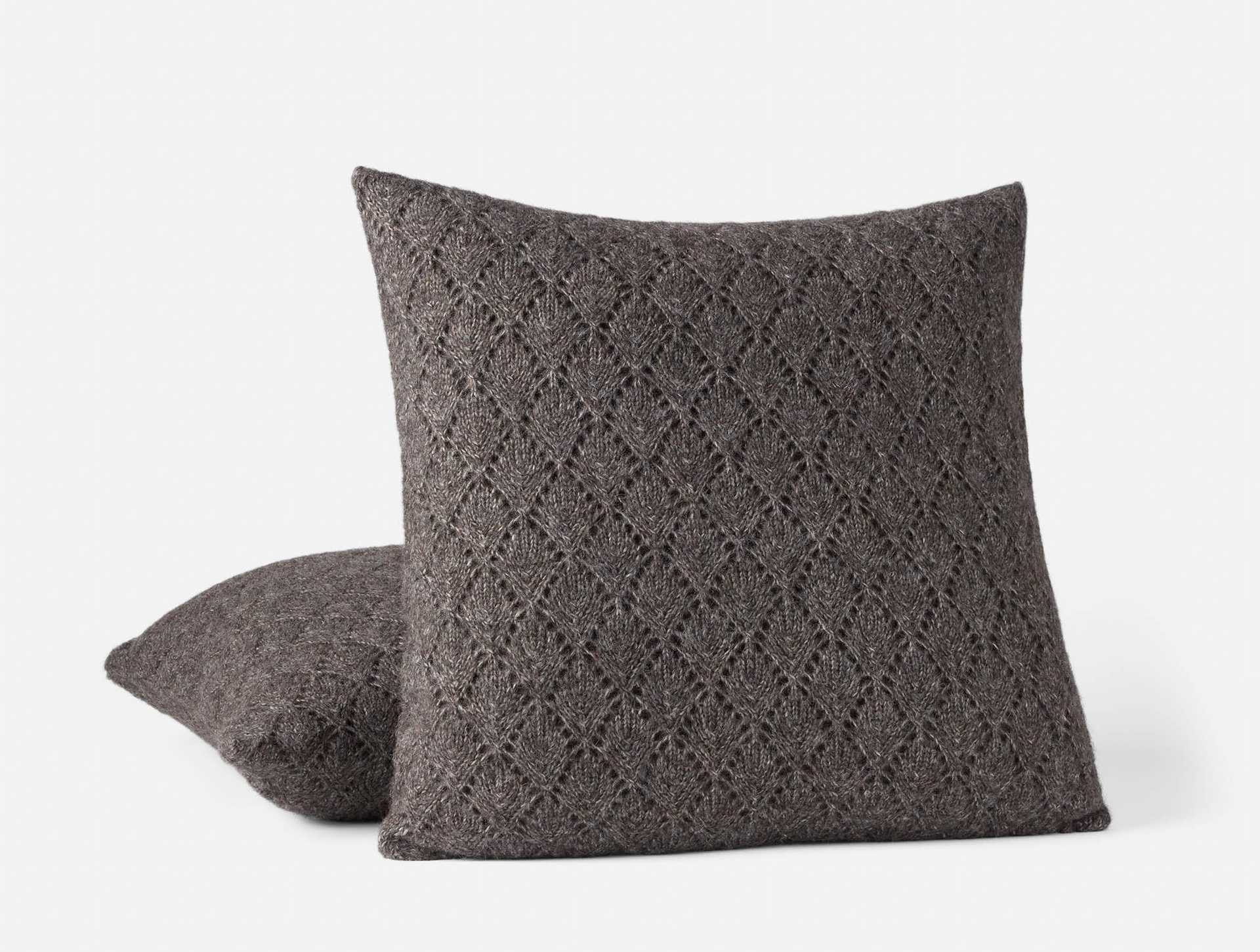
Construction affects both the hand and the drape. A woven wrap may have a more defined surface and a fluid fall, depending on its yarn and weave. A knitted version can feel more relaxed and flexible, while its stitch pattern contributes texture and stretch. Open constructions may feel lighter and more breathable; compact ones can feel more substantial. Ask how the wrap is made rather than assuming that every cashmere piece behaves alike.
Dimensions deserve a little attention. A wrap should be broad and long enough for the way its recipient is likely to wear it, but an especially generous size may feel cumbersome to someone who prefers a neat scarf. Product measurements, when provided, help turn a vague impression into a practical decision. You can also compare them with a scarf, shawl, or light blanket they already own.
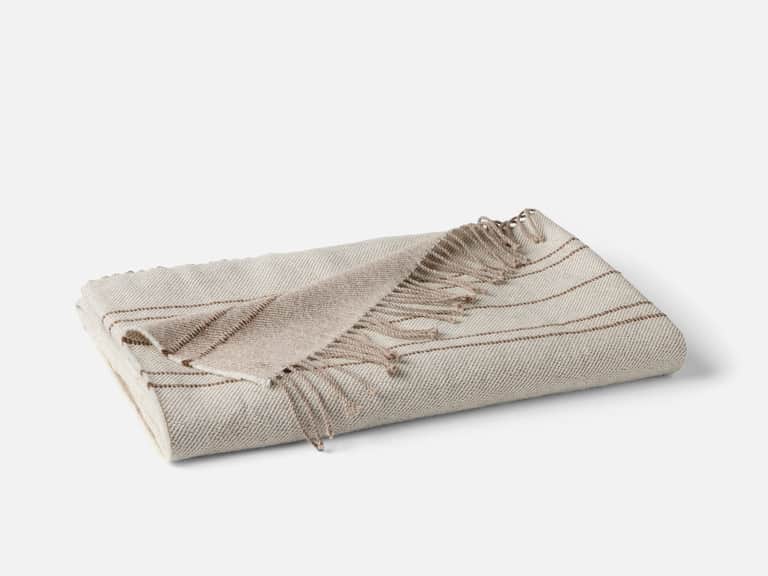
Finishing details add character and can affect use. Fringe, a clean hem, a rolled edge, or a textured border each gives a different impression. An understated finish is often versatile, while a more visible detail can make the gift feel distinctive. Check that the finish appears secure and consistent, and consider whether the recipient likes details that call for a little extra care.
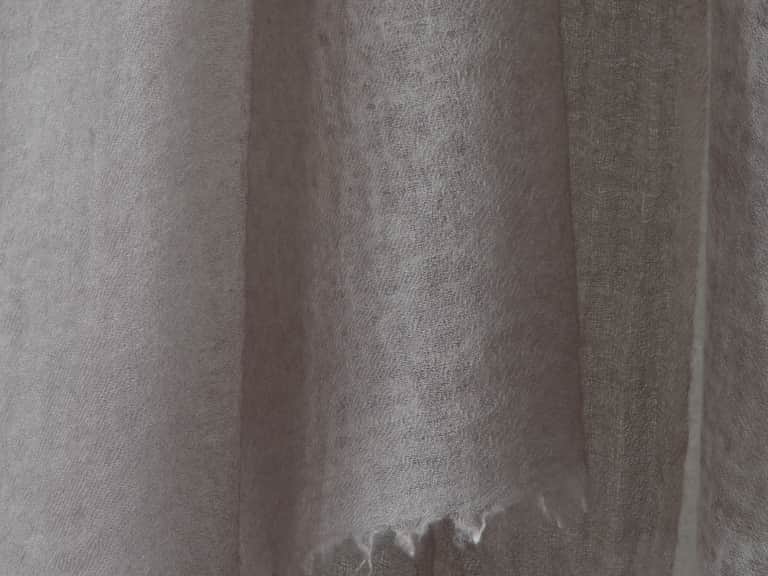
For a related example of how construction can shape a cashmere accessory, the Pal Twill Scarf is described as 100% extra-fine cashmere with hand-spray dyeing and a garment-dyed felted effect. It is a scarf rather than a wrap, but its material and finishing details illustrate why it is worth looking beyond the fiber name to understand a piece’s character.
Choose a color with memory and versatility
Color can make an anniversary present feel wonderfully personal. A familiar shade may echo a favorite coat, a room the couple loves, or a color the recipient wears often. A new shade can also be meaningful if it connects to a shared place or a memory. The strongest choice is one the recipient will genuinely enjoy seeing and wearing—not one that carries a private symbolism only the giver understands.
Neutrals often work across seasons and outfits, but “neutral” does not have to mean plain. Warm beige, soft gray, deep brown, and muted blue can each bring a different mood. A richer color may be a fitting celebration of a milestone, especially if it already appears in the recipient’s wardrobe. If you are torn between two possibilities, think about their most-worn outerwear and the colors they reach for when they want to feel like themselves.
Online color can be difficult to judge because screens, lighting, and photography affect appearance. Product descriptions may use names that sound familiar but do not map precisely to what you see at home. Check multiple views and read the return terms before buying, particularly when the shade is central to your decision.
Care advice is part of the gift
Fine natural fibers deserve thoughtful handling, but care should not be made to sound intimidating. A recipient is more likely to enjoy a wrap when they know how to look after it. Before presenting the gift, check its specific care label or manufacturer’s instructions. Do not assume every cashmere item can be washed the same way: some may require professional cleaning, while others may have different approved methods.
A small care note can accompany the gift. Keep it practical and specific: follow the garment label, avoid friction that can encourage pilling, and store the wrap clean and dry between seasons. If the stated instructions call for dry cleaning, say so plainly rather than suggesting a home-washing method. If you do not have reliable care information, point the recipient to the label and avoid improvising.
It can also help to explain that pilling may occur through friction in some fine knits and is not automatically a sign of poor quality. The safest response is to follow the maker’s guidance and use a suitable fabric comb or other tool only if recommended. Avoid pulling pills by hand, which can damage fibers. A little knowledge can protect both the fabric and the pleasure of wearing it.
Care expectations matter before purchase, too. Someone who prefers machine-washable clothing may not welcome an accessory with demanding upkeep. Another person may happily care for a special natural-fiber piece. Matching maintenance to the recipient’s habits is a practical form of consideration—and a gift that suits real life is more likely to become a lasting one.
Make the presentation feel personal, not elaborate
Thoughtful presentation does not require extravagant packaging. A neat box or reusable fabric bag, a simple ribbon, and a handwritten note can create a moment of anticipation while keeping the focus on the gift itself. Choose packaging that protects the wrap and is easy to open; avoid pins or rough materials that could snag delicate fibers.
The note is where the anniversary becomes unmistakably yours. Rather than relying on a generic line about luxury, say what you hope the wrap will accompany: a favorite evening walk, a journey you are planning, or quiet mornings at home. A specific memory can make even a concise message feel warm and true. There is no need to turn the card into a speech. One sincere thought is often enough.
You can also share why you chose this particular weight, color, or texture. That small explanation shows that the decision was made with the recipient in mind. If the wrap has a care requirement, include it discreetly alongside the maker’s instructions so the practical detail feels helpful, not cautionary.
If you are celebrating together, presentation can be part of the occasion: offer the wrap before dinner, bring it along on a planned outing, or give it during a quiet moment at home. The setting need not be elaborate. What matters is creating space for the gift to be received without turning the anniversary into a performance.
Keep ethics and provenance in view
For many shoppers, a meaningful gift should reflect care beyond the relationship. Cashmere production involves animals, land, processing, and people throughout a supply chain, so questions about sourcing are reasonable. Claims vary in their meaning and detail. When a brand references a standard, certification, traceability program, or animal-welfare commitment, look for an explanation of what it covers and which parts of production it applies to.
Country-of-origin information can tell you where a fiber was sourced or where a garment was made, but those are not necessarily the same place. If provenance matters, distinguish between the origin of the raw fiber and the location of spinning, knitting, weaving, or finishing. Clear descriptions are more useful than a general impression of artisan production.
Responsible shopping also means considering longevity. A versatile, well-made accessory that the recipient will use for years can be a more thoughtful choice than a striking piece that suits only one occasion. Repairability, care instructions, and a transparent return policy all contribute to confidence. Ethical questions rarely have a single simple answer, but informed questions can help you make a choice aligned with your values.
A simple checklist before you decide
Before making the final choice, take a moment to review the details. This helps keep the decision grounded in the recipient’s life rather than the pressure to find a supposedly perfect anniversary symbol.
- Does the fiber content clearly state whether the wrap is pure cashmere or a blend?
- Is the weight appropriate for the recipient’s climate, routines, and preferred layers?
- Do the dimensions suit the way they are likely to wear it?
- Does the color feel personal while still working with clothes they already own?
- Are the weave, knit, and finishing details consistent with their taste?
- Are care instructions clear and realistic for their habits?
- Can you find useful information about sourcing and production, if those issues matter to you?
- Have you checked delivery timing, return terms, and any gift packaging options?
This checklist is not meant to drain the romance from the process. It is a way to make sure the practical parts support the feeling behind the gift. The best choice is not necessarily the rarest or most expensive one; it is the one that feels considered and can be enjoyed.
The meaning is in the attention
A cashmere wrap can be a lovely anniversary gift because it brings together comfort, usefulness, and a sense of occasion. Its meaning, though, comes from the choices around it: noticing the recipient’s style, understanding what makes one fabric different from another, selecting a suitable weight, and sharing enough care guidance to help it last.
Choose with the person’s everyday life in mind. Look beyond a label to the fiber content, construction, finish, and provenance. Make presentation warm rather than complicated, and add a note that says something only you could say. Then let the gift become what it is meant to be: a soft, practical reminder of a shared life, worn in the small moments that make an anniversary matter.