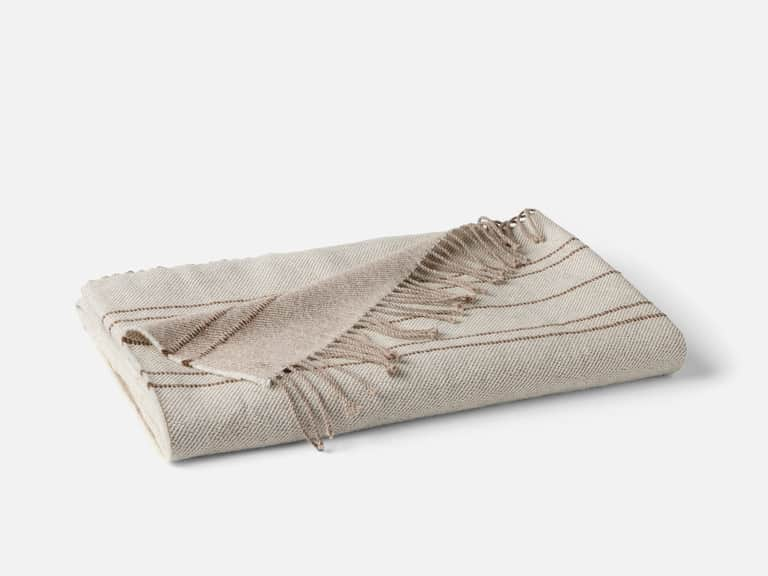
Explore the storied history of cashmere, how fiber blends shape warmth and comfort, and what to look for when selecting premium bedding that is as responsible as it is luxurious. From venerable brands to careful sourcing practices, this guide unpacks the details behind premium cashmere throws, blankets, and decorative pillows—and helps you spot true quality in a crowded market.
Cashmere has long been a symbol of refinement, its lineage tracing back to the high passes of Asia where the fine underfleece of the cashmere goat was first woven into treasured garments. The allure of cashmere lies not only in its softness, but in the way it drapes, insulates, and breathes. Historically reserved for royalty and affluent connoisseurs, cashmere has since become a premium fiber embraced by modern luxury houses while remaining a benchmark for softness and warmth.
In textile history, the exchange of knowledge about fibers—from fiber length and staple strength to weave construction—transformed cashmere from a regional rarity into a global standard for premium bedding. Today, established brands like Coyuchi and St. Genève are often cited as benchmarks for ethical sourcing and transparent fiber credentials. They remind readers that luxury can be aligned with responsibility when suppliers commit to traceability, humane practices, and sustainable mills.
As readers of a modern luxury bedding guide, you’ll find that the most compelling cashmere products sit at the intersection of heritage craft and contemporary ethics. A thoughtfully chosen cashmere throw or blanket carries with it centuries of expertise, but also a modern commitment to people and planet.
When evaluating cashmere pieces—throws, blankets, or decorative pillows—several tangible signals indicate quality beyond the price tag:
As you peruse premium offerings, keep in mind that a well-made cashmere piece is not just about feel—it’s about a sustainable, well-documented supply chain that respects people, animals, and the earth.
Pillows in luxury bedding blends often pair cashmere-inspired softness with high-quality shells and thoughtfully engineered fillings. A well-chosen pillow can support neck alignment and overall sleep quality, complementing a premium duvet or throw. The Cardigan Pillow example demonstrates how a down-filled inner will deliver loft and warmth, while a durable cover fabric ensures lasting shape and comfort.
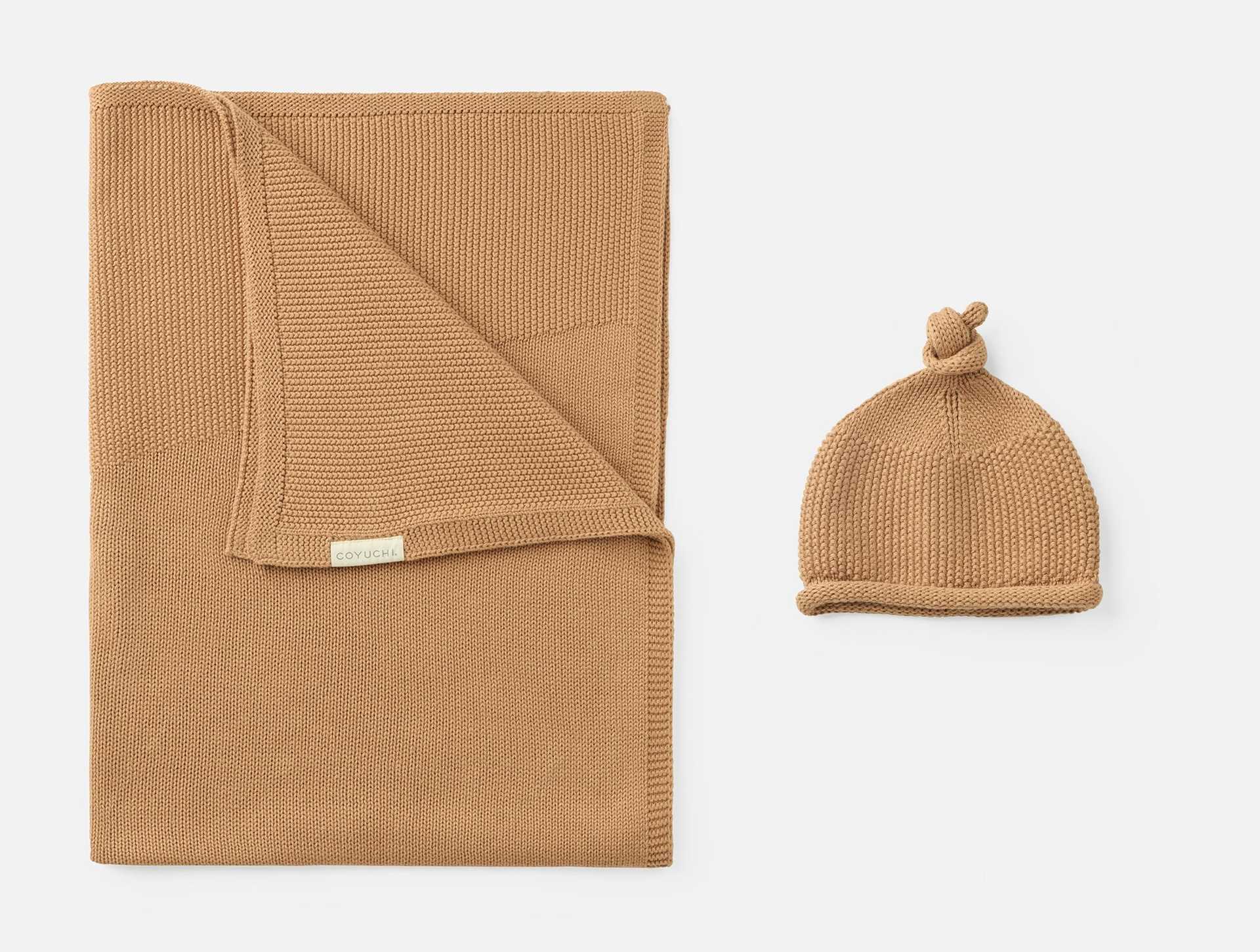
For nurseries and baby spaces, cashmere-inspired softness translated into gentle textiles supports comfort without sacrificing breathability. This is where organic cotton and sustainable blends shine, ensuring sensitive skin is treated with care without compromising luxury sensibilities.
Key signals of quality in cashmere-adjacent pillows include a well-calibrated fill power, a durable case, and a construction that minimizes shifting. A true luxury pillow should maintain its loft over time, resisting lumpiness and sag. When combined with cashmere-inspired blankets, these pillows can create a serene, cohesive sleep environment that feels indulgent yet practical.
Ethical sourcing in cashmere and its downstream products centers on traceability, sustainable farming practices, and fair labor standards. The industry has faced scrutiny over pasture management, animal welfare, and worker rights. Reputable brands address these concerns head-on with transparent supply chains, certifications, and partnerships with mills that adhere to responsible stewardship.
Readers should seek brands that disclose supply chain details, including geographic regions of production, certifications from third parties, and statements about animal welfare and environmental impact. A responsible approach makes it possible to enjoy luxury bedding—like a cashmere-inspired throw or a knit decorative pillow—without compromising ethical standards.
The modern cashmere story is enriched by voices from different eras who championed quality, craft, and ethics. Here are three influential figures who illuminate the thread of history that ties luxury bedding to human stories.
Pioneering luxury textile patron and advocate for quality craftsmanship, helping to popularize refined fiber blends in Europe.
In an era defined by artisanal mastery, Dame de Rohan promoted meticulous sourcing and the value of hand-finished textiles. Her influence extended beyond fashion into domestic luxury, elevating the standard for fabrics used in home goods—from delicate scarves to sumptuous bed coverings. Her legacy lives on in the way modern brands narrate provenance, emphasize craftsmanship, and celebrate the story behind each fiber.
Textile scientist and ethical sourcing advocate who pushed for standardized fiber testing and transparent reporting.
Dr. Farah’s research into fiber integrity and performance informed better care guides and quality benchmarks. Her emphasis on testing, standards, and accountability resonated with brands that sought to balance luxury with responsible production. Her work underpins modern care guidance for cashmere products and inspires a culture of verification when evaluating luxury textiles.
Sustainability advocate bridging traditional craft with modern ethical standards in textile supply chains.
In today’s market, Maya Chen typifies the modern consumer’s demand for responsible luxury. Her work advocates for traceability, fair labor practices, and transparent production processes. By highlighting the human and environmental costs behind fibers, she helps readers appreciate not just the feel of a cashmere throw, but the story of how it came to be, encouraging informed choices and brand accountability.
These voices—from old-world patrons to contemporary scholars and activists—frame a broader understanding: luxury bedding is not merely about a soft touch or a beautiful weave. It’s about provenance, responsibility, and the relationships that tie a garment to the people who produce it. The three figures above remind readers that timeless warmth can coexist with modern ethics when we demand clarity, care, and consequence in every purchase.
Gifting a cashmere-inflected item signals more than a moment of indulgence. It communicates an appreciation for quality, a respect for craft, and a consideration for long-term comfort. A curated approach—paired with thoughtful wrapping and presentation—transforms a luxurious throw or a decorative pillow into a memorable gift experience.
Consider a modern gifting playbook that centers on care: include a care guide card, a handwritten note, and eco-conscious wrapping. A premium blanket or decorative pillow can be layered with a timeless sentimental gesture—like a note on why the recipient’s space deserves a premium, soft texture that invites calm and warmth.
As you select from luxe options, such as the Downtown Company Cable Knitted Throw, you get more than style—you get durability and everyday luxury. The Downtown Company piece, crafted in Portugal from an 85% cotton and 15% wool blend and finished with a woven binding, embodies comfort with a timeless design. It is a testament to accessible luxury, offering a cashmere-soft feel without sacrificing practicality. This balance makes it a standout gift for anniversaries, housewarmings, or milestone celebrations.
Blue ivory cable knit throw, 50" x 70", 85% cotton / 15% wool, woven binding. Made in Portugal. A cozy, sophisticated gift that reads as effortless luxury.
Price: 276.00
To maximize impact, pair the gift with a brief note about the care and the craftsmanship that went into its making. A well-composed gift experience—especially with textiles that celebrate warmth and softness—creates a sense of lasting value and thoughtfulness that recipients remember long after the last bow is untied.
Cashmere is a material woven with history, luxury, and a responsibility to people and planet. Its softness invites touch, its warmth invites comfort, and its potential for ethical sourcing invites trust. In luxury bedding, cashmere-inspired pieces offer more than a premium feel—they offer a narrative about quality, care, and thoughtful buying choices.
As you build a bedding wardrobe around these principles, consider a central hub of evergreen content on your site—a landing page about cashmere history, a robust care guide, and a clear, transparent ethics section. This foundation supports a durable, authoritative site that can evolve over time, expanding to regional cashmere histories, sustainability features, and expert insights from textile historians and designers.
Whether you are shopping for a personal sanctuary or crafting a gift that embodies warmth and grace, the timeless appeal of cashmere in luxury bedding remains intact. Pair it with a thoughtful approach to ethics and craft, and you’ve got a refined, responsible luxury that endures.
Images for products mentioned are displayed where available. If any image appears missing, the referenced product page provides the visual details and composition information.